Movement, strength and recovery
Veterinary rehabilitation to support function, mobility, confidence and return to daily activity.
Medical Director • Rehabilitation Veterinarian
DVM, CVA, CVMRT, CVSMT, FCOAC, CAMP, CSCC
Veterinary medicine. Rehabilitation. Integrative care. One individualized plan.
Dr. Nixon brings advanced training across veterinary rehabilitation, acupuncture, massage, spinal care, arthritis management and canine conditioning to every patient she evaluates. That breadth allows her to look beyond a single symptom and build a plan around the whole pet.
Why Her Training Matters
Rehabilitation cases are rarely identical. A pet may be recovering from surgery, managing arthritis, losing strength with age, returning to activity, or dealing with orthopedic or neurologic mobility changes.
Dr. Nixon's training gives her multiple clinical perspectives. Rather than forcing every patient into the same therapy, she evaluates the whole picture and determines the most appropriate plan for that patient.
One Patient. One Plan.
An evaluation gives Dr. Nixon the clinical context to assess comfort, gait, strength, medical history, daily challenges, recovery status and goals. From there, care is selected for the pet in front of us.
That may mean therapeutic exercise, hydrotherapy, acupuncture, laser therapy, hands-on care, conditioning, home strategies or a different next step. The right plan depends on the individual patient.
Clinical Toolkit
Dr. Nixon can draw from several areas of veterinary rehabilitation and integrative care. Not every pet receives every modality; the evaluation determines what belongs in the plan.
Veterinary rehabilitation to support function, mobility, confidence and return to daily activity.
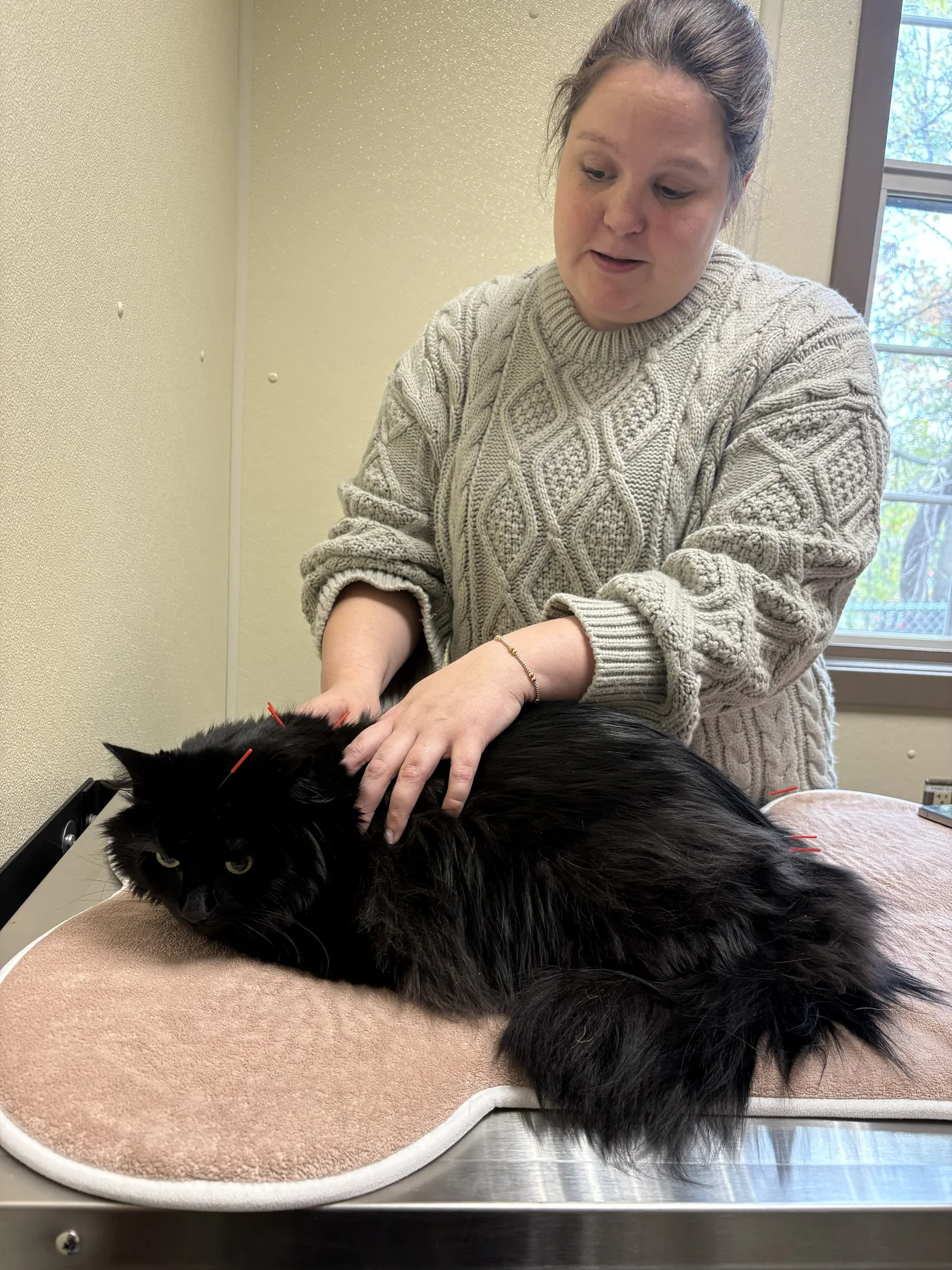
Veterinary acupuncture may be used to support comfort, mobility and whole-patient care.
Supportive hands-on techniques for mobility, body comfort and rehabilitation planning.
Advanced training focused on spinal motion, joint function and how the body moves as a whole.
Care planning for stiffness, soreness, reduced activity and quality-of-life needs.
Sports and conditioning training for active dogs, safe performance support and body awareness.
When appropriate, plans may include hydrotherapy and therapeutic exercise in ATC's rehab setting.
Additional modalities may be included when Dr. Nixon believes they fit the patient's needs.
Credentials With Purpose
The letters matter most when they expand what Dr. Nixon can consider for the patient in front of her.
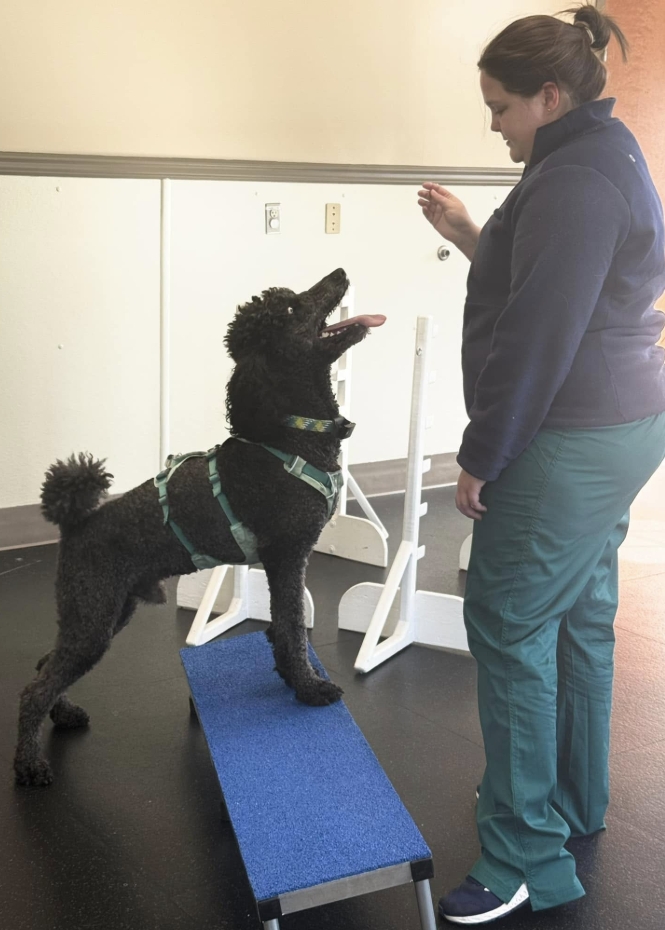
Clinical reasoning comes first. Tools and techniques are chosen after Dr. Nixon understands the pet's movement, comfort and goals.
Your pet's plan begins with medical training and veterinary decision-making.
Adds veterinary acupuncture when Dr. Nixon believes it may support the treatment plan.
Supports therapeutic movement, soft tissue care and mobility-focused rehabilitation.
Focused training in spinal motion, joint function and body mechanics.
Reflects additional testing and professional recognition in animal chiropractic care.
Additional certification focused on managing arthritis and supporting comfort and mobility.
Supports conditioning, body awareness and activity goals for active and recovering dogs.
What Brings Your Pet To Dr. Nixon?
Support after TPLO, orthopedic or other procedures when rehabilitation is appropriate.
Post-surgical rehabilitationPlanning for comfort, mobility and quality-of-life needs.
Arthritis supportSupport for strength, independence, comfort and confidence.
Senior mobility therapyEvaluation helps identify what support may fit the pet's function and goals.
Explore rehabilitation servicesRehabilitation planning for movement, strength and daily function.
View service optionsConditioning support for active dogs and pets returning to activity.
Fitness ClubThe Evaluation
The evaluation is where Dr. Nixon connects the medical history, movement exam, daily challenges and family goals into a practical plan.
Medical history, surgery or injury history, comfort and daily challenges.
Mobility, strength, gait, coordination, tolerance and function.
Comfort, recovery, independence, return to activity, conditioning or maintenance.
Dr. Nixon determines which therapies or combination of approaches best fit the patient.
Progress and response guide future recommendations.
Training And Career
Dr. Nixon knew from a young age that she wanted to become a veterinarian. She earned her veterinary degree from St. Matthew's University School of Veterinary Medicine and completed her clinical year at Mississippi State University College of Veterinary Medicine.
After veterinary school, she pursued advanced training in rehabilitation, massage, acupuncture and spinal manipulation, including CVMRT and CVSMT training through Healing Oasis, acupuncture training through the Chi Institute of Traditional Veterinary Medicine, and additional testing leading to fellowship in the College of Animal Chiropractors.
Her advanced interests in arthritis management and sports conditioning now support the way she evaluates mobility, comfort, strength and quality of life at ATC.
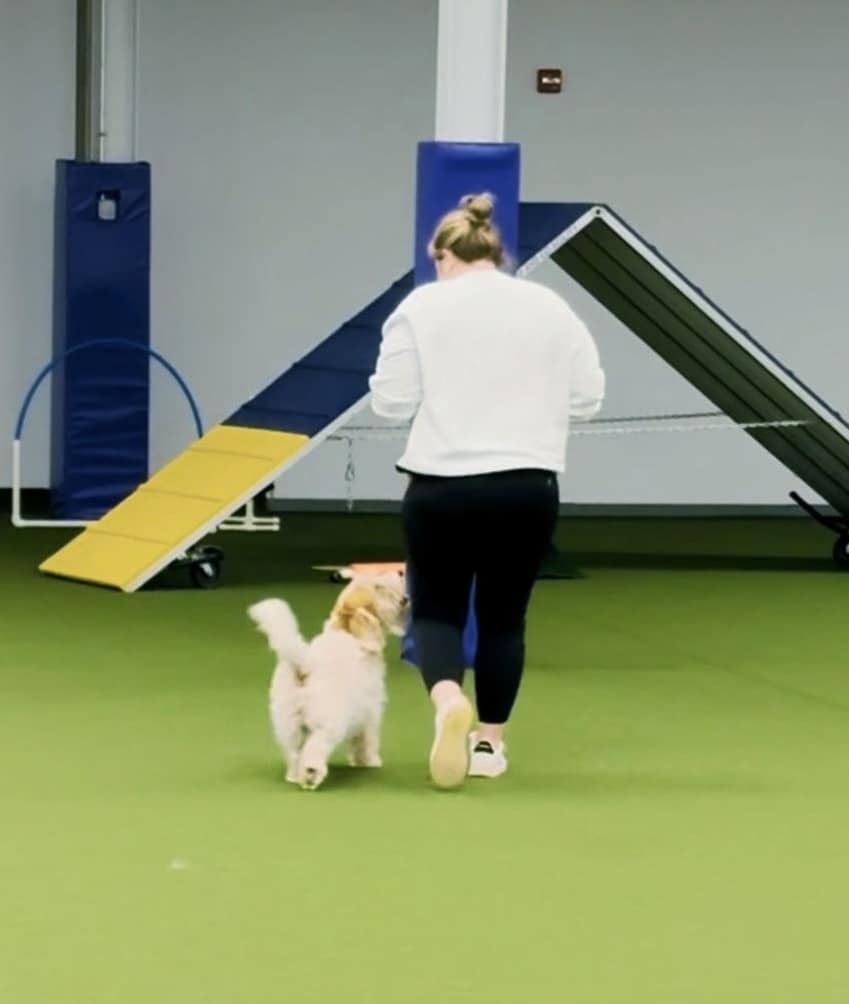
Dr. Nixon's training connects veterinary medicine with practical rehabilitation, conditioning and daily-life goals.
ATC Medical Director
As Medical Director, Dr. Nixon leads ATC's clinical care, evaluates patients, develops and approves individualized treatment plans, establishes clinical protocols and provides veterinary oversight for rehabilitation services.
Professional Recognition
Animal Therapy Center was featured as an American Association of Rehabilitation Veterinarians Spotlight Practice. The AARV profile identifies Dr. Nixon as the facility's Medical Director and notes certification in rehabilitation, massage, acupuncture and spinal manipulation.
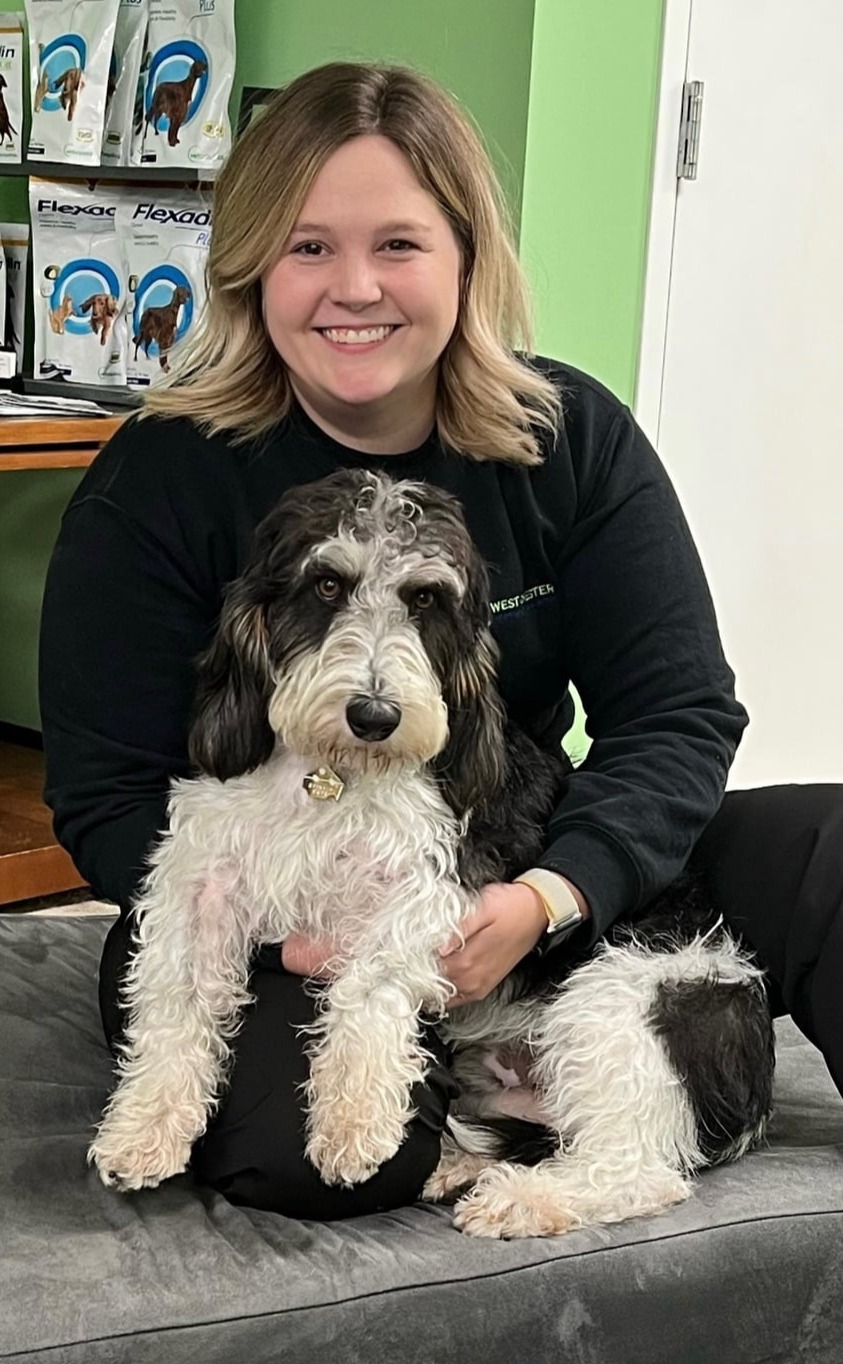
Client Trust
“Dr. Ashley Nixon helped my senior poodle regain function in his weakened hind end with incredible skill and knowledge.”
Dr. David
The goal is never a one-size-fits-all protocol. It is a practical, medically guided plan built around the pet's comfort, mobility, function and family goals.
Next Step
Evaluation requests are open. Start with the evaluation process page to complete the request form and learn how ATC reviews your pet's history before scheduling.